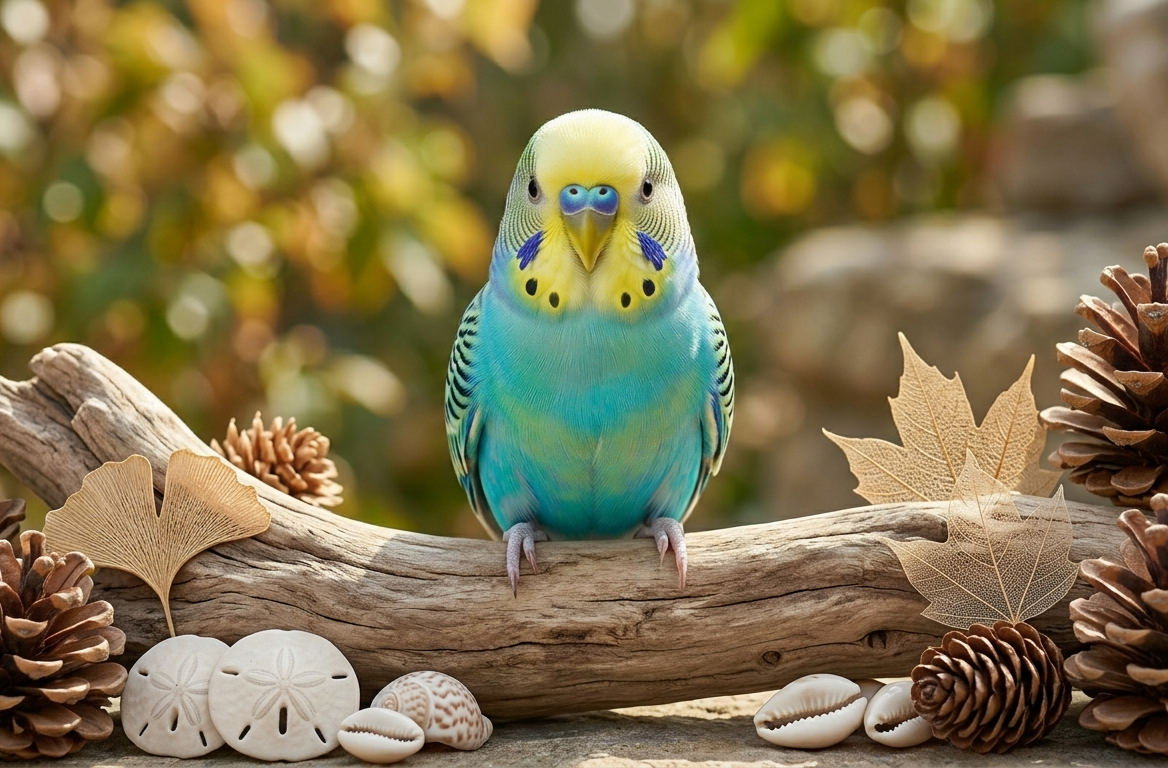
BIRD CARE AT HOME

Bird Grooming Guides for Canadian Pet Owners

Feather care, bathing, nail trimming, and wing health for parrots, cockatiels, budgies, and companion birds of all kinds — with Canadian home safety guidance built in.

Browse all bird guides

Avian-safe techniques · All species covered · Canadian home safety included

Before you start

Birds are unlike any other pet — the rules are completely different

Birds hide illness until critical

Birds are prey animals with a powerful instinct to appear healthy even when seriously ill — showing weakness attracts predators. By the time a bird looks unwell, it has often been sick for days. Grooming observation is your primary early detection tool. Any change in feather condition, droppings, or behavior warrants an avian vet call.

Stress can be fatal

A bird that is severely stressed during handling can go into cardiac arrest. This is not rare — it happens to birds that appear healthy. Keep grooming sessions very short, work quietly, read body language constantly, and stop the moment your bird shows distress. Never restrain a bird forcefully.

Your home has invisible dangers

Non-stick cookware fumes, scented candles, air fresheners, aerosol sprays, and cigarette smoke are all potentially fatal to birds — especially in Canadian winters when homes are sealed tight. Before any grooming session near the bird's space, ensure the room is free of all airborne chemicals.

Psittacosis transmits to humans

Psittacosis (parrot fever) is a bacterial infection carried by many bird species that can transmit to humans during grooming — through feather dust, dried droppings, and direct contact. Wash hands thoroughly after every grooming session. If your bird is ill, wear a mask during handling.

Core grooming skills

The three areas every bird owner needs to understand

01

Feather Care & Misting Baths

How to support your bird's natural preening, the right misting and bathing technique for your species, what healthy feathers look like, and how Canadian dry winter air affects feather condition.

Read guides →

02

Nail & Beak Trimming

Safe nail trimming at home, the perch types that naturally reduce nail length, beak health monitoring, and why beak trimming should almost always be left to an avian vet.

Read guides →

03

Wing Clipping & Flight Safety

The full guide to wing clipping — what it achieves, arguments for and against, how to tell if it's been done correctly, and when to have it redone by a professional.

Read guides →

Find your bird's species

Every species is different — here's where to start

Select your bird's species group for the right grooming approach and routine.

The most common pet birds in Canada. Gentle, frequent misting 2–3 times per week supports natural preening. Nail trimming every 6–8 weeks using small bird clippers or a nail file. Cockatiels produce significant feather dust — a HEPA filter near the cage significantly improves air quality in Canadian sealed winter homes. Wing clipping is a personal choice — cockatiels and budgies can live safely either way with proper indoor management.

Grooming frequency: Misting 2–3x week, nails every 6–8 weeks, beak — monitor only

More active and more likely to resist handling than small birds. Misting 2–3 times per week. Nail trimming every 6–8 weeks — these birds have stronger nails than small species and may need proper bird nail clippers rather than a file. Conures in particular benefit from a shallow bath dish — many prefer to bathe themselves rather than be misted.

Grooming frequency: Misting 2–3x week, nails every 6–8 weeks, beak — avian vet only

The most complex birds to groom at home. High intelligence means grooming sessions require positive reinforcement and gradual trust-building — not restraint. African Greys and Cockatoos produce heavy feather dust — HEPA filtration is strongly recommended in Canadian homes. Nail trimming should be done by an avian vet or experienced bird groomer for large species. Beak trimming — avian vet only, always.

Grooming frequency: Misting 3x week, nails — avian vet recommended, beak — avian vet only

Generally the least hands-on birds to groom. Most softbills are not regularly handled and prefer to bathe independently in a shallow dish placed in their cage. Nail trimming in canaries and finches requires extreme care — small body size means stress during restraint is a significant risk. Many owners have nails done by an avian vet on annual wellness visits rather than attempting at home.

Grooming frequency: Bath dish available daily, nails — avian vet on annual wellness visit recommended

The most important bird grooming skill

Feather care and bathing — a complete guide

Feathers are a bird's entire life-support system — insulation, flight, waterproofing, and social signaling all depend on feather condition. Supporting your bird's natural preening through misting and appropriate bathing is the single most important thing you can do as an owner.

1

What healthy feathers look like

Healthy feathers lie flat and smooth, with a slight natural sheen. The barbs interlock cleanly when the bird preens. Warning signs include: frayed or ragged feather edges, feathers held away from the body, stress bars (horizontal lines across the feather shaft), and missing patches.

2

Misting technique

Use a clean spray bottle set to a fine mist — never a jet or stream. Mist from above, allowing the water to fall gently onto the feathers as it would in rain. Use room-temperature water only — never cold. Mist 2–3 times per week for most species. Some birds will spread their wings and turn to face the spray — this is a sign they enjoy it.

3

Bath dish bathing

Many birds, particularly conures and softbills, prefer to bathe themselves in a shallow dish. Place a ceramic dish with 1–2cm of lukewarm water in the cage or on a play stand. Remove after 20–30 minutes to keep it clean. Never use soap or additives in bathing water.

4

The Canadian dry air problem

Canadian homes in winter drop to 15–25% relative humidity when heated — far below the 40–60% birds need for healthy feather condition. Chronic low humidity causes brittle feathers, increased dander production, and disrupted preening behavior. Increasing misting frequency in winter and placing a cool-mist humidifier near (not on) the cage makes a measurable difference.

5

After bathing

Never allow a wet bird in a cold or drafty room. Ensure the room is warm (above 20°C) and draft-free. Most birds dry quickly through preening and natural air circulation. Never use a hair dryer — the heat is too intense and non-stick-coated heating elements in some dryers produce toxic fumes.

What you'll need

The essential bird grooming toolkit

Bird grooming requires fewer tools than other pets — but the safety rules around what NOT to use are more important than what you buy.

Misting & Bathing

The most used bird grooming tools in your home. Keep a dedicated misting bottle that has never contained cleaning products or chemicals.

Fine-mist spray bottle (dedicated, clean)Shallow ceramic bath dishCool-mist humidifier (for winter use near the cage)

Nail Care Tools

For small to medium birds. Large parrots — avian vet recommended.

Small bird nail clippersNail file (fine grit emery board)Styptic powderConditioning perches (concrete or lava perches)

Cage & Environment

A clean, safe environment is part of grooming. The products you use to clean the cage matter as much as what you use on the bird.

Bird-safe cage cleaner (no bleach, no ammonia)HEPA air purifierNatural wood perches in varied diameters

What NOT to Use

This is as important as anything you buy. Never use or allow near your bird during grooming or cage cleaning:

Non-stick (PTFE/Teflon) coated anything that produces heatAerosol sprays of any kindScented candles or wax meltsEssential oil diffusersAir freshener spraysBleach-based cleanersCigarette or vape smoke

Health Monitoring Supplies

Birds require close observation — these help you track what you see.

Small digital scaleBird-safe disinfectant wipesDedicated hand towel for towelling sessions

The at-home routine

A complete bird grooming session, step by step

Keep sessions to 5–10 minutes for small birds, 10–15 for medium, and build up slowly with large parrots. Always work in a quiet room, never near a kitchen, and always wash hands before and after.

1

Check the room (0 min)

Before bringing your bird out, check: no cooking on non-stick pans in the house, no aerosols or candles lit, no open windows creating drafts, room temperature above 20°C. Never groom a bird near a kitchen.

2

Weigh your bird (1 min)

A kitchen scale in grams is the single best health monitoring tool for bird owners. Weigh your bird weekly at the same time of day. A loss of 10% or more of body weight over 1–2 weeks warrants an avian vet call — even if the bird appears normal.

3

Observe before handling (1–2 min)

Watch your bird for 1–2 minutes before picking them up. Look for: posture, feather position, alertness, droppings appearance, breathing rate. A fluffed, sleepy bird outside their normal sleep time is a warning sign — do not proceed with grooming, call your avian vet.

4

Misting or bath (3–5 min)

Mist gently from above with room-temperature water. For bath-preferring species, offer the shallow dish and allow them to bathe at their own pace. Do not force contact with water.

5

Check feathers and skin (2 min)

During and after misting, observe feather condition. Look for: stress bars, plucked or chewed feathers, bald patches, feathers held oddly, or any visible skin irritation under the feathers.

6

Check beak and nares (1 min)

The beak should be smooth and symmetrical with no flaking, peeling, or overgrowth. The nares (nostrils) should be clean and dry — any discharge, crustiness, or color change warrants an avian vet call.

7

Nail check and trim if needed (2–5 min)

For small birds, trim overgrown nails with small bird clippers or gently file with an emery board. Trim only the pointed tip. Have styptic powder ready. For medium and large birds, or any bird that strongly resists — schedule with an avian vet or experienced bird groomer.

8

Return to cage and reward (1 min)

Always end on a positive note — a favourite treat, verbal praise, or a few minutes of calm interaction. This builds the positive association that makes the next session easier.

Most grooming sessions take 10–15 minutes for small birds and up to 20–25 minutes for medium and large parrots as trust builds.

The most debated bird grooming decision

Wing clipping — everything you need to know before deciding

Wing clipping is not a grooming requirement — it is a choice with real implications for your bird's safety and wellbeing. Read both sides before deciding.

Arguments for clipping

  • Prevents escape through open doors or windows
  • Reduces injury risk from flying into windows, ceiling fans, or hot surfaces
  • Makes taming and training easier for new or nervous birds
  • Reduces the risk of territorial aggression in multi-bird households
  • Clip grows out in 6–12 months — it is not permanent

Arguments against clipping

  • Flight is natural behavior — permanently clipped birds may develop psychological and behavioral issues
  • A clipped bird that escapes outdoors cannot fly to safety — more dangerous outdoors, not less
  • Physical development in young birds depends on flight — early clipping may affect muscle development and spatial awareness
  • Many behaviorists recommend flight training over clipping as a long-term solution
  • A badly done clip causes pain and affects balance

What a correct clip looks like

A correct wing clip:

  • Clips only the primary flight feathers (the outermost 6–10 feathers on each wing)
  • Clips both wings evenly — uneven clips cause spinning falls that injure birds
  • Leaves the secondary feathers intact — the bird retains its natural appearance at rest
  • Slows descent rather than eliminating flight entirely — the bird can glide down but not gain height

Have it done by: An avian vet or certified bird groomer. DIY clipping by inexperienced owners frequently results in blood feather cuts — a painful emergency.

One of the few safe at-home bird grooming tasks

Nail trimming for birds — a step-by-step guide

How to trim

Bird nails are curved and the quick can be difficult to see, particularly in darker-nailed species. The goal is to remove only the pointed tip.

Step 1: Use a conditioning perch (concrete or lava) in the cage as a first line of nail management — many birds on appropriate perches need less frequent trimming.

Step 2: For small birds, wrap loosely in a small towel with one foot exposed. For medium birds, have a second person assist while you work.

Step 3: Use small bird nail clippers or a fine emery board. Clip only the very tip — 1–2mm at most.

Step 4: In light-colored nails, the pink quick is visible. In dark nails, clip tiny amounts at a time.

Step 5: If you cut the quick, apply styptic powder immediately and hold for 30 seconds. Monitor for continued bleeding.

When to see an avian vet

Book an avian vet for nail trimming if:

  • Your bird is a large parrot — the restraint force required creates significant stress risk
  • Your bird is a softbill (canary, finch) — stress during restraint is too high for small body size
  • The nail has curled and grown into the toe pad
  • You have cut the quick before and are not confident
  • Your bird has any health conditions that affect handling tolerance

Natural nail maintenance perches — a good conditioning perch placed where the bird lands most frequently can reduce trimming frequency from 6 weeks to 3–4 months for many birds.

Leave this one to the professionals

Beak health — monitoring at home, trimming at the vet

Natural maintenance and what to check

A healthy beak:

  • Is smooth and symmetrical
  • Has no peeling, flaking, or soft spots
  • Upper and lower beak meet properly
  • Color is consistent (species-appropriate)
  • No overgrowth on either jaw

Natural beak maintenance: Cuttlebone — a calcium source that also wears the beak naturally · Mineral blocks · Wooden toys for chewing · Appropriately sized varied-texture perches

Check beak at every grooming session — any change from normal warrants an avian vet call.

Why not to trim at home

Beak trimming is not like nail trimming. The beak contains significant blood supply and nerve endings. Trimming incorrectly causes:

  • Permanent structural damage to beak alignment
  • Severe bleeding that can be fatal in small birds
  • Chronic pain from misaligned beak edges
  • Cracking that creates entry points for infection

Even experienced bird owners should not trim beaks at home. An avian vet uses proper instruments and has the training to trim safely and without causing lasting harm.

Beak overgrowth is almost always a symptom of an underlying condition — liver disease, nutritional deficiency, or mite infestation. Treating the beak without diagnosing the cause solves nothing.

One of the most common bird health concerns

Feather plucking — causes, signs, and what to do

Feather plucking (feather destructive behavior) is when a bird chews, pulls, or destroys its own feathers. It is almost never simple boredom — in most cases there is an underlying medical or environmental cause that requires investigation.

Medical causes

Always rule out medical causes first. Common medical triggers include:

  • Bacterial or fungal infection of the skin or follicles
  • Psittacosis (chlamydiosis)
  • Internal parasites
  • Heavy metal toxicity (lead and zinc from cage hardware)
  • Liver disease
  • Hormonal imbalance (especially in Cockatoos and African Greys)
  • Allergies — food or environmental (including low humidity in Canadian winter homes)
  • Nutritional deficiency — particularly vitamin A and calcium

Behavioral causes

If medical causes are ruled out by an avian vet, behavioral triggers include:

  • Insufficient mental stimulation
  • Lack of social interaction — especially in highly social species like Cockatoos
  • Changes in routine or environment (new home, new pet, moved cage)
  • Sexual frustration in mature unpaired birds
  • Chronic stress from noise, other pets, or inconsistent handling
  • Feather plucking that began as a response to one trigger can become a habit even after the trigger is removed

What to do

  1. See an avian vet first — do not assume it is behavioral before ruling out medical causes. A blood panel, skin scraping, and culture are standard first steps.
  2. Review the environment — humidity, noise levels, sleep schedule, and diet.
  3. Do not punish — negative reactions increase stress and worsen plucking.
  4. Do not use an Elizabethan collar without vet guidance — collars cause extreme stress in most birds and treat the symptom, not the cause.
  5. Increase foraging opportunities — boredom-component plucking responds well to foraging toys, varied perches, and increased interaction.

Important for your health too

Psittacosis — what bird owners need to know during grooming

Psittacosis (also called parrot fever or chlamydiosis) is a bacterial infection caused by Chlamydia psittaci. It is carried by many bird species and can transmit to humans during close contact — including grooming sessions.

In birds

Signs in birds:

  • Fluffed feathers and lethargy
  • Watery or discolored droppings (green or yellow-green)
  • Discharge from eyes or nostrils
  • Reduced appetite
  • Weight loss

Many birds carry the bacteria without showing symptoms — a healthy-appearing bird can still transmit the infection to humans under stress (including grooming).

If you notice these signs, see an avian vet and inform them you are concerned about psittacosis.

In humans and prevention

Signs in humans (appear 5–14 days after exposure):

  • Fever and chills
  • Headache and muscle aches
  • Dry cough
  • Shortness of breath

Psittacosis in humans is treatable with antibiotics but is frequently misdiagnosed — tell your doctor you own birds.

Prevention during grooming: Wash hands thoroughly before and after every grooming session · Avoid touching your face during handling · When your bird is unwell, wear a mask during handling · Do not clean cages in food preparation areas · Ventilate when cleaning droppings

A Canadian home consideration unique to birds

What's in your home that could harm your bird

Birds have an extraordinarily sensitive respiratory system — far more sensitive than any other common pet. Canadian homes sealed tight in winter concentrate airborne toxins that birds cannot survive. This section covers what to remove from your bird's environment before any grooming session and as a permanent home rule.

What kills birds

IMMEDIATE DANGER — remove permanently or never use near birds:

Non-stick cookware and appliances: PTFE (Teflon) coating on pans, waffle makers, popcorn poppers, and some space heaters releases odorless fumes when overheated that kill birds within minutes. Replace with stainless steel, cast iron, or ceramic cookware.

Aerosol sprays of any kind: Hairspray, air fresheners, insect spray, spray paint, deodorant sprays — none should ever be used in a home with a bird in a sealed room.

Scented candles and wax melts: The combustion byproducts and fragrance compounds are toxic to avian respiratory systems.

Essential oil diffusers: Even bird-marketed essential oil products are not proven safe — avoid all diffusers.

Cigarette and vape smoke: Both are severely toxic. A bird in a smoking household has significantly reduced life expectancy.

Management strategies

What you can do:

Ventilation in winter: Even in -20°C Canadian winters, briefly opening a window in a different room from the bird to flush air through the house is safer than sealed accumulation of household chemicals.

HEPA filtration: A HEPA air purifier near the bird's cage removes feather dust, dander, and some airborne particles. Particularly important for Cockatoos and African Greys who produce heavy feather dust.

Humidity management: A cool-mist humidifier (not ultrasonic, which can disperse minerals) near the cage maintains 40–60% humidity in Canadian winters — critical for feather health.

Safe cleaning products: Use only bird-safe cage cleaners. White vinegar diluted in water is the safest multi-purpose cleaner for cage surfaces. Always rinse and allow to fully dry and air before returning the bird.

Grooming through the seasons

What Canadian weather means for your bird's feather health

Winter

  • Indoor humidity drops to 15–25% in heated Canadian homes — increase misting to daily for most species
  • Place a cool-mist humidifier near (not on) the cage
  • Watch for increased dander and brittle feather condition as signs of humidity stress
  • Ensure the room stays above 18°C — birds are sensitive to drafts from windows and exterior walls
  • Cockatiel and Cockatoo feather dust increases in dry conditions — HEPA filter running continuously

Spring

  • Natural molting season begins — some feather loss is normal
  • Increase misting frequency to support new feather growth (pin feathers require moisture and humidity)
  • Watch for any plucking of pin feathers — pin feathers bleed and plucking them is painful and dangerous
  • Good time for a wellness visit with your avian vet

Summer

  • Most species enjoy outdoor exposure in warm Canadian summers — a secure outdoor aviary or supervised porch time provides natural sunlight critical for vitamin D synthesis
  • Never leave a bird in direct sun without shade — heat stroke above 30°C is a rapid emergency
  • Keep outdoor time free from wild bird contact — wild birds carry diseases transmissible to pet birds
  • Screen doors and windows carefully before any free-flight indoor time

Fall

  • Second molt for many species — normal feather loss and new growth expected
  • Humidity begins to drop as heating starts — resume humidifier use before you notice feather issues
  • Update avian vet wellness visit before year end
  • Prepare for winter ventilation strategy — review home for any new chemical hazards (new cookware, new cleaning products)

Health awareness

What to look for while you groom

A bird that looks sick is often very sick — they conceal illness instinctively. Trust your observations during grooming. When in doubt, call your avian vet the same day.

Feather Plucking

Look for: Bare patches, chewed or broken feathers, feathers on the cage floor in abnormal quantity

See an avian vet — rule out medical causes first

Psittacosis

Look for: Fluffed feathers, lethargy, discolored droppings (green/yellow), nasal or eye discharge

See an avian vet promptly — inform them of psittacosis concern

Aspergillosis (fungal infection)

Look for: Labored breathing, open-mouth breathing, tail bobbing with each breath, voice changes

Emergency avian vet — respiratory distress in birds moves fast

Scaly Face / Leg Mites

Look for: Crusty, scaly growth on beak, cere (nostril area), and legs — honeycomb-textured appearance

See an avian vet — treatable but spreads between birds

Egg Binding (female birds)

Look for: Straining, fluffed feathers, sitting on the cage bottom, wide stance

Emergency avian vet immediately — egg binding is fatal within hours untreated

Heavy Metal Toxicity

Look for: Sudden neurological signs — seizures, loss of balance, unusual head movements, weakness in legs

Emergency avian vet immediately — check cage hardware for zinc or lead components

Knowing when to ask for help

What you can do at home — and when to see an avian vet

Important: Unlike dogs, cats, and rabbits, birds have only ONE professional option — an avian vet or certified bird groomer with avian experience. General pet groomers should not handle birds.

Do at home

  • Misting and bath dish bathing
  • Environmental hygiene (cage cleaning with bird-safe products)
  • Feather and body condition observation
  • Weight monitoring (weekly on a gram scale)
  • Nail filing for small birds on appropriate perches
  • Nail trimming for small birds (with experience and styptic powder on hand)
  • Cuttlebone and mineral block provision for natural beak maintenance

Book a certified bird groomer for

  • Wing clipping (not DIY recommended)
  • Nail trimming for medium and large parrots
  • First grooming experience for a new bird (to observe safe technique)

Note: Always verify the groomer has specific avian experience — general pet groomers are not trained in bird handling.

See an avian vet for

  • Beak trimming — always
  • Any suspected illness — same day
  • Nail trimming for softbills and large parrots
  • Feather plucking — rule out medical causes
  • Any respiratory symptoms — emergency
  • Egg binding — emergency
  • Any neurological signs — emergency
  • Annual wellness exam — minimum once per year

Common species in Canada

Quick grooming profiles for popular pet birds

Find your species for a quick-start grooming summary.

Budgerigar (Budgie)

Small parrot

Mist 2–3x per week. Nails every 6–8 weeks. Produces moderate feather dust. One of the easiest birds for first-time owners to groom.

Cockatiel

Small parrot

Mist 2–3x per week. Heavy feather dust producer — HEPA filter recommended. Nails every 6–8 weeks. Gentle and generally tolerant of handling.

Conure

Medium parrot

Many conures love bath dishes — offer both misting and a shallow dish. Nails every 6–8 weeks. High energy — keep sessions short and positive.

African Grey

Large parrot

Very heavy feather dust — HEPA filtration essential. Mist 3x per week. Nail and beak trimming by avian vet. Extremely sensitive to environmental change.

Cockatoo

Large parrot

Heaviest feather dust of any species — HEPA filter non-negotiable. Mist 3x per week. High social needs — grooming builds bond. Professional nail and wing care only.

Canary

Softbill

Offer bath dish daily — most canaries bathe independently. Nail trimming on annual vet visit. Do not handle outside of vet visits unless well socialized.

Frequently asked

Common bird grooming questions

Use a clean spray bottle set to fine mist, filled with room-temperature water. Mist gently from above, allowing water to fall like light rain. For species that prefer self-bathing (conures, finches), offer a shallow ceramic dish with 1–2cm of lukewarm water. Mist 2–3 times per week. Never use cold water, soap, or any additives. After bathing, ensure the room is warm and draft-free — never use a hair dryer.

For small birds only. Wrap loosely in a small towel with one foot exposed. Use small bird nail clippers or a fine emery board. Clip only the very tip — 1–2mm at most. In light nails, avoid the visible pink quick. In dark nails, trim tiny amounts at a time. Always have styptic powder ready. For medium and large parrots, book an avian vet or certified bird groomer — the restraint force required creates significant stress risk.

Feather plucking is almost never simple boredom. Medical causes — including bacterial infection, psittacosis, heavy metal toxicity, hormonal imbalance, nutritional deficiency, and skin parasites — must be ruled out first by an avian vet. If medical causes are cleared, investigate environmental factors: humidity (especially in Canadian winter), social interaction levels, sleep schedule, diet variety, and foraging opportunities.

No — wing clipping should be done by an avian vet or certified bird groomer. An incorrect clip — particularly one that is uneven or clips a blood feather — causes pain, affects balance and posture, and can cause a blood feather emergency. Even experienced bird owners benefit from professional clipping. See Section 8 for the full guide on the arguments for and against clipping.

In birds: fluffed feathers, lethargy, watery or discolored droppings (green or yellow-green), discharge from the eyes or nostrils, reduced appetite, and weight loss. Many carriers show no symptoms. In humans (5–14 days after exposure): fever, chills, headache, dry cough, and shortness of breath. If you suspect psittacosis in your bird, see an avian vet and inform your doctor that you own birds. Psittacosis is treatable in both species with antibiotics.

From the blog

Latest bird care articles

Grooming tips

How to mist your bird correctly — and why Canadian winter air makes it more important than ever

Read on the blog →

Health

Feather plucking in parrots: how to tell the difference between medical and behavioral causes

Read on the blog →

Safety

Non-stick cookware and birds: what every Canadian bird owner needs to remove from their kitchen

Read on the blog →

Also caring for another pet?